Quick Guide: Shipping Container Conversions: Practical Uses Beyond Storage
1. Office
Check this before requesting a quote.
2. Shop
Check this before requesting a quote.
3. Home
Check this before requesting a quote.
4. Workshop
Check this before requesting a quote.
5. Retail
Check this before requesting a quote.
- Container homes: container homes
- Tuckshop page: start your own tuckshop
- Home: Container Consumables
Containers Can Do More Than Store Goods
Shipping containers are popular for storage because they are strong, secure and movable. But with the right modifications, they can become practical working, retail or living spaces.
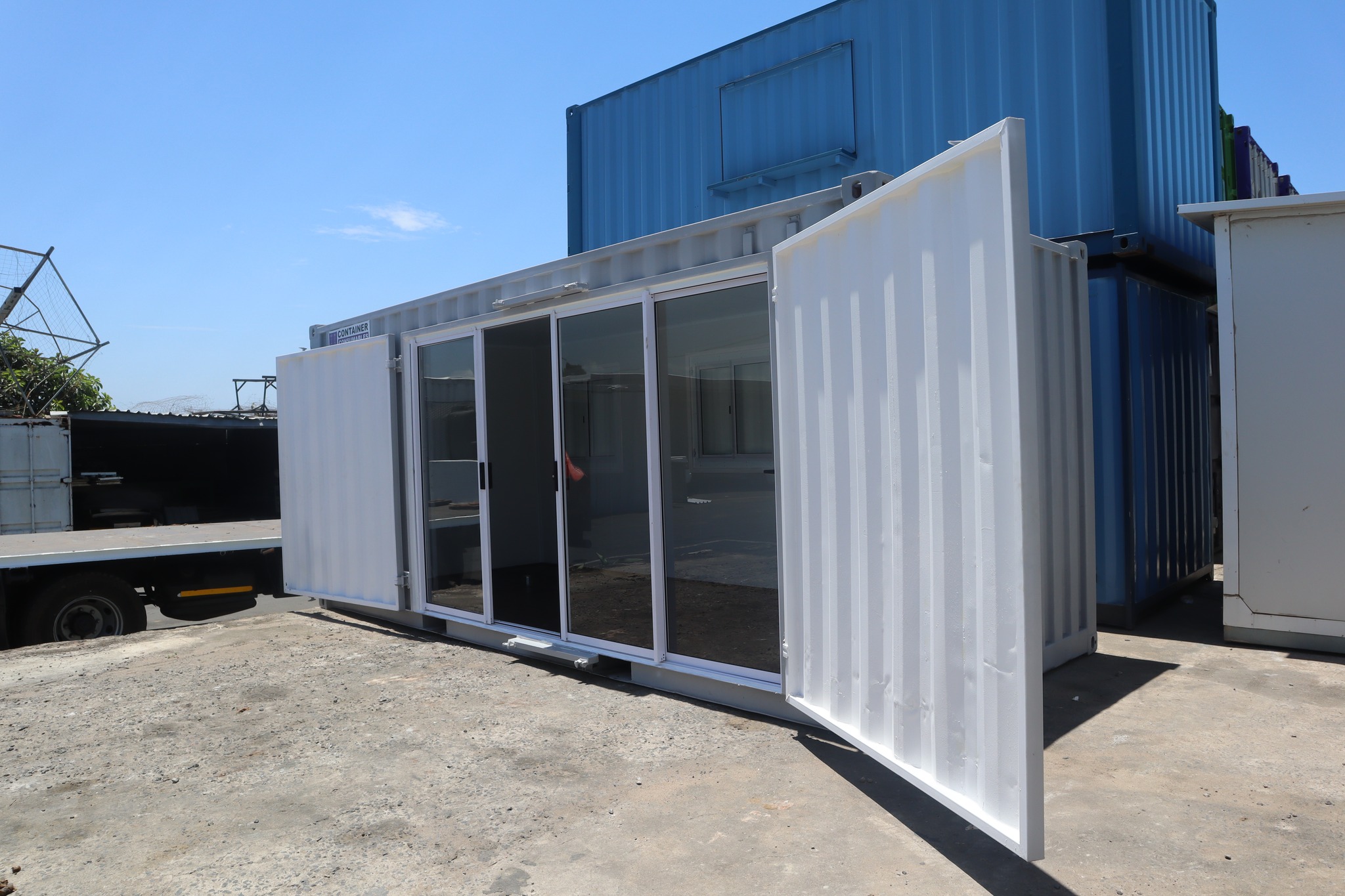
Container conversions are used across South Africa for offices, tuck shops, homes, site units, workshops and more. The key is choosing the right container and designing the conversion around the real use.
Container Offices
Container offices are useful for construction sites, yards, farms, industrial businesses and temporary projects. They can provide a secure space for admin, meetings, site management or staff use.
Common features include:
- Windows
- Pedestrian doors
- Electrical points
- Lighting
- Insulation
- Desks or counters
- Airflow and ventilation
An office conversion should be planned around the people who will use it daily.
Tuck Shop Containers
A tuck shop container can be a practical small-business unit. It can include a serving hatch, counter, shelving, security shutters and stock storage.
Good planning should cover:
- Customer serving area
- Stock movement
- Security
- Lighting
- Power needs
- Weather protection
- Placement and visibility
This type of conversion works best when the layout follows the business model.
Container Homes
Container homes are attractive because they offer a strong base and flexible design. They still need careful planning for comfort.
Important factors include:
- Insulation
- Ventilation
- Windows
- Interior lining
- Plumbing
- Electrical layout
- Site placement
- Natural light
A container home should be designed as a living space, not simply a container with furniture inside.
Workshops and Storage Hybrids
Some businesses need storage and workspace in one unit. A converted container can become a small workshop, tool room or stock-and-work area.
Useful features include:
- Workbench space
- Shelving
- Ventilation
- Lighting
- Secure doors
- Electrical points
- Roller doors where appropriate
This is common for trades, farms, contractors and small industrial users.
Retail and Pop-Up Units
Containers can be used for retail kiosks, pop-up shops, food units or event activations. These conversions need customer-friendly finishes and practical layouts.
Consider:
- Branding space
- Serving counters
- Display areas
- Security shutters
- Customer access
- Staff workflow
- Power and lighting
Retail conversions should look professional and be easy to operate.
What to Discuss Before Converting a Container
Before starting a conversion, discuss the intended use with the supplier.
Share:
- Site location
- Preferred size
- How many people will use it
- Power needs
- Plumbing needs
- Doors and windows
- Finish expectations
- Delivery access
- Timeline
The more specific the brief, the better the result.
FAQs
Can any container be converted?
Not every container is ideal. The unit should be structurally sound and suitable for the planned modifications.
What can a container be converted into?
Common conversions include offices, shops, homes, workshops, storage units, tuck shops and site facilities.
Are container conversions movable?
Many are movable, but relocation depends on size, modifications, access and transport requirements.
Do conversions need planning?
Yes. Layout, services, delivery, access and compliance requirements should be considered before work begins.
Have an idea for a container conversion? Contact Container Consumables to discuss practical options for offices, homes, shops, storage and custom projects.
Request a Container Quote
Need help choosing the right container, park home or conversion? Contact Container Consumables for practical advice and a quote based on your site, use and delivery needs.